
Historic Log Home Restoration in Northern Michigan and the Upper Peninsula
Request a Free Quote
Preserving Original Character with Careful, Period-Accurate Restoration Methods
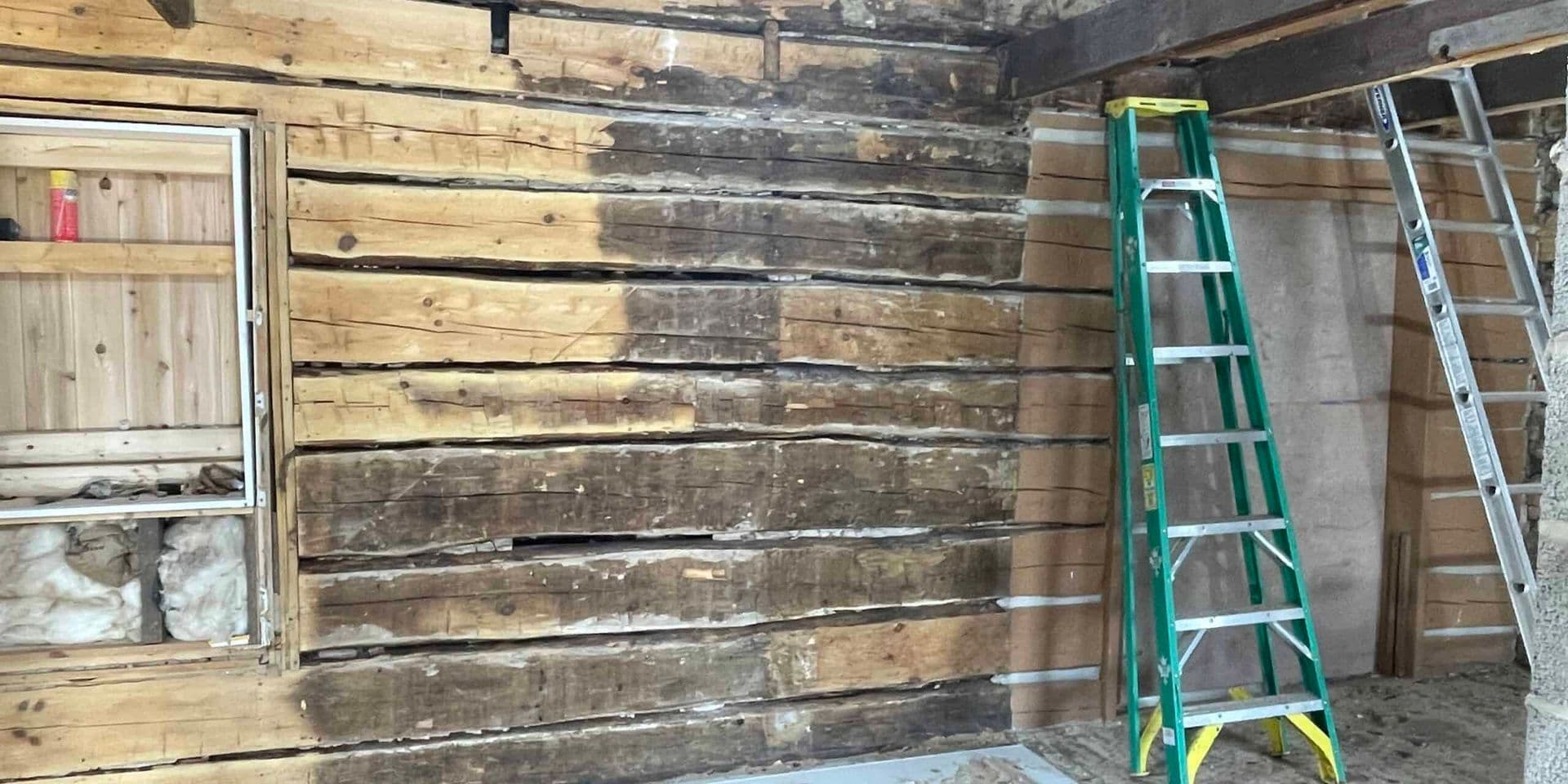
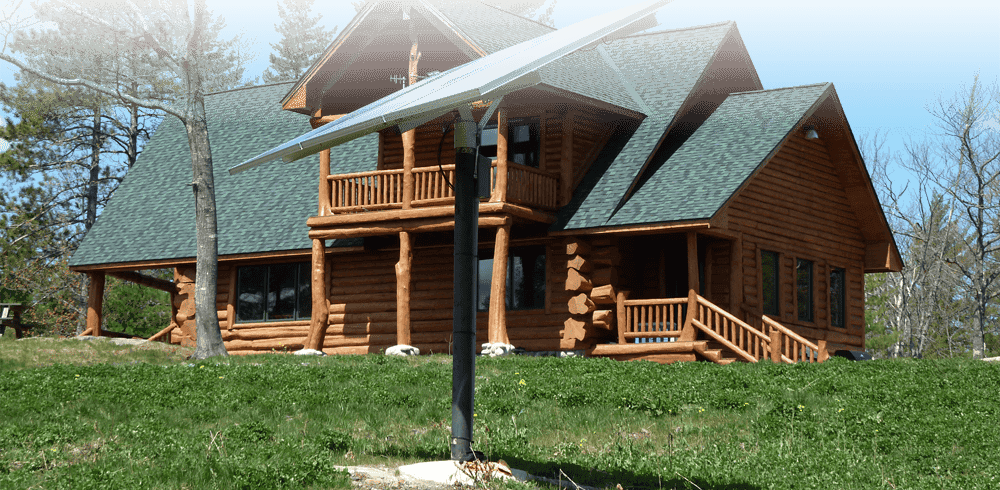
Historic log homes carry more than age. They carry original craftsmanship, regional materials, and surface character that modern construction cannot recreate. Restoring them requires a different approach than standard log-home work, especially when the structure still holds its original logs, joinery, and profile.
WEATHERWIZE provides historic log home restoration across Northern Michigan, the Upper Peninsula, and Northern Wisconsin. These projects rely on careful material handling, period-aware methods, and an understanding of how older wood behaves after decades of exposure.
What Makes a Log Home “Historic”
For restoration purposes, a log structure built before 1970 and still containing original log work is considered historic. That distinction matters because older logs behave differently from modern milled materials.
Older wood is more porous, heavily weathered, and full of natural movement from decades of freeze and thaw cycles. It also carries patina that gives the home its character. Aggressive sanding, pressure washing, or modern sealants can remove or mask those traits. In many cases, that causes more damage than the issue being fixed.
The goal is not to make the structure look new. It’s to stabilize it, repair what has failed, and preserve what makes it original.
Featured Customer Review
Weatherwize did a great job. They got the job done within the time period they said they would. And the quality of their work was excellent. The guys are pleasant and professional. If you hire WeatherWize I doubt you will be disappointed.
Log Repair vs. Replacement
Every historic restoration starts with evaluation. Each log is assessed for structural integrity, rot depth, species, and how a repair will visually integrate with the surrounding wall.
When a log can be saved, targeted repair is used to retain as much original material as possible. When replacement is necessary, matching becomes critical.
Common regional species include white pine and cedar. Replacement logs are selected to match both species and surface texture. Where the original structure is hand-hewn, replacement material is shaped to reflect that same character. A smooth, uniform log in a hand-hewn wall stands out immediately, so texture matching is a priority. This approach keeps the structure sound without breaking visual continuity.
Chinking, Daubing, and Sealing
Historic log homes weren’t built with modern sealants. They relied on chinking and daubing systems that flexed with seasonal movement.
Restoration requires recreating that performance with compatible modern materials and traditional application methods. Chinking is applied by hand and worked into joints to match the original depth and profile rather than simply filling gaps.
Material selection is based on compatibility with aged wood and movement behavior. Products used include:
Sashco
Perma-Chink Systems
Sansin
These materials are chosen for flexibility, breathability, and long-term performance on older log substrates.
Surface Preparation for Older Logs
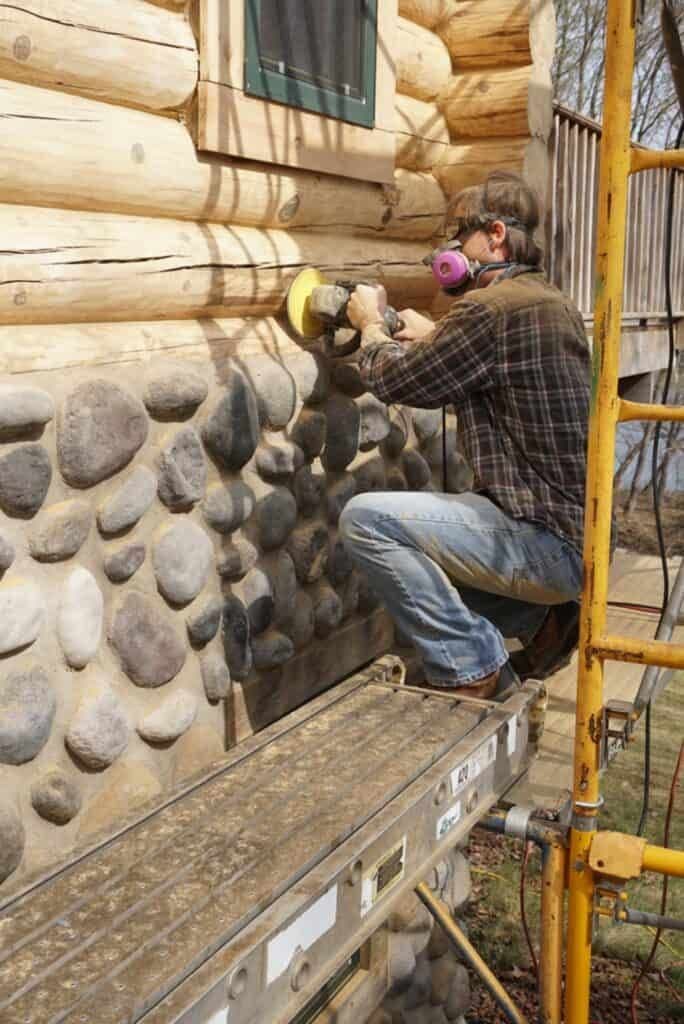
Surface prep is one of the most sensitive parts of historic restoration. The wrong method can strip patina, open the grain too aggressively, or leave wood too raw for proper finishing.
Instead of relying on high-impact cleaning methods, media blasting is often used. It removes failed stain, oxidation, and surface buildup without cutting deeply into the wood. Soft washing is used for biological growth. Power washing is reserved for situations where the wood's condition allows it.
The goal is controlled cleaning, not stripping the surface of its history. Once prep is complete, stain selection is based on porosity, species, and visual intent. Products commonly used include:
Outlast Q8 Log Oil
Sansin
Sashco
Finishing work focuses on protection while preserving the wood's natural variation.
Research and Restoration Planning
Historic log restoration often benefits from historical reference points. When old photos, records, or original documentation exist, they guide decisions around color, chinking width, and surface character.
For homes that qualify for historic designation or tax credit programs, documentation support can be part of the process. This includes before-and-after photography, material records, and project summaries that help support compliance requirements.
Final approvals and inspections remain with the appropriate preservation authorities. This step is especially useful for older cabins and homesteads where original design intent is still partially visible.
Experience and Industry Credentials
WEATHERWIZE has served log homeowners in the region since 2008, with a combined team experience of roughly 60 years in log structure work.
The team includes certified log home restoration professionals and leadership roles within key industry organizations, including:
International Log Builders Association
Great Lakes Log Crafters Association
This background supports a restoration approach focused on material behavior rather than just surface repair. See examples of our restoration work in our gallery and hear from customers in our testimonials.
Service Area
Work is completed across Northern Michigan, the Upper Peninsula, and Northern Wisconsin. Common areas include Marquette, Munising, Escanaba, Iron Mountain, Petoskey, Charlevoix, Traverse City, Gaylord, Grand Marais, Paradise, Manistique, and Rhinelander, WI.
A complete service area list is available for additional locations.
Common Questions About Historic Log Home Restoration
Structures built before 1970 with original logs, joinery, and design elements still in place are treated as historic for restoration purposes.
Not always. It depends on rot depth, structural stability, and whether a match can be made for species and texture. Each log is evaluated individually.
Selection is based on how the wood has aged, how much movement is expected, and compatibility with existing materials. Flexibility and breathability are key factors.
Some do, particularly if they are listed or eligible for historic designation. Documentation can support applications, but final determination comes from preservation authorities and tax professionals.
Freeze-thaw cycles and moisture exposure influence everything from surface prep to sealant choice. Older wood responds differently than newer construction due to decades of environmental exposure.
Talk to a Historic Log Home Specialist
Historic log homes require careful decision-making before any work begins. A short consultation can clarify what should be repaired, what should be replaced, and what approach fits the structure’s condition. Contact WEATHERWIZE Log Home Professionals today.