
Log Home Staining, Sealing, and Painting
Request a Free Quote
A Protective System Built for Extreme Regional Conditions
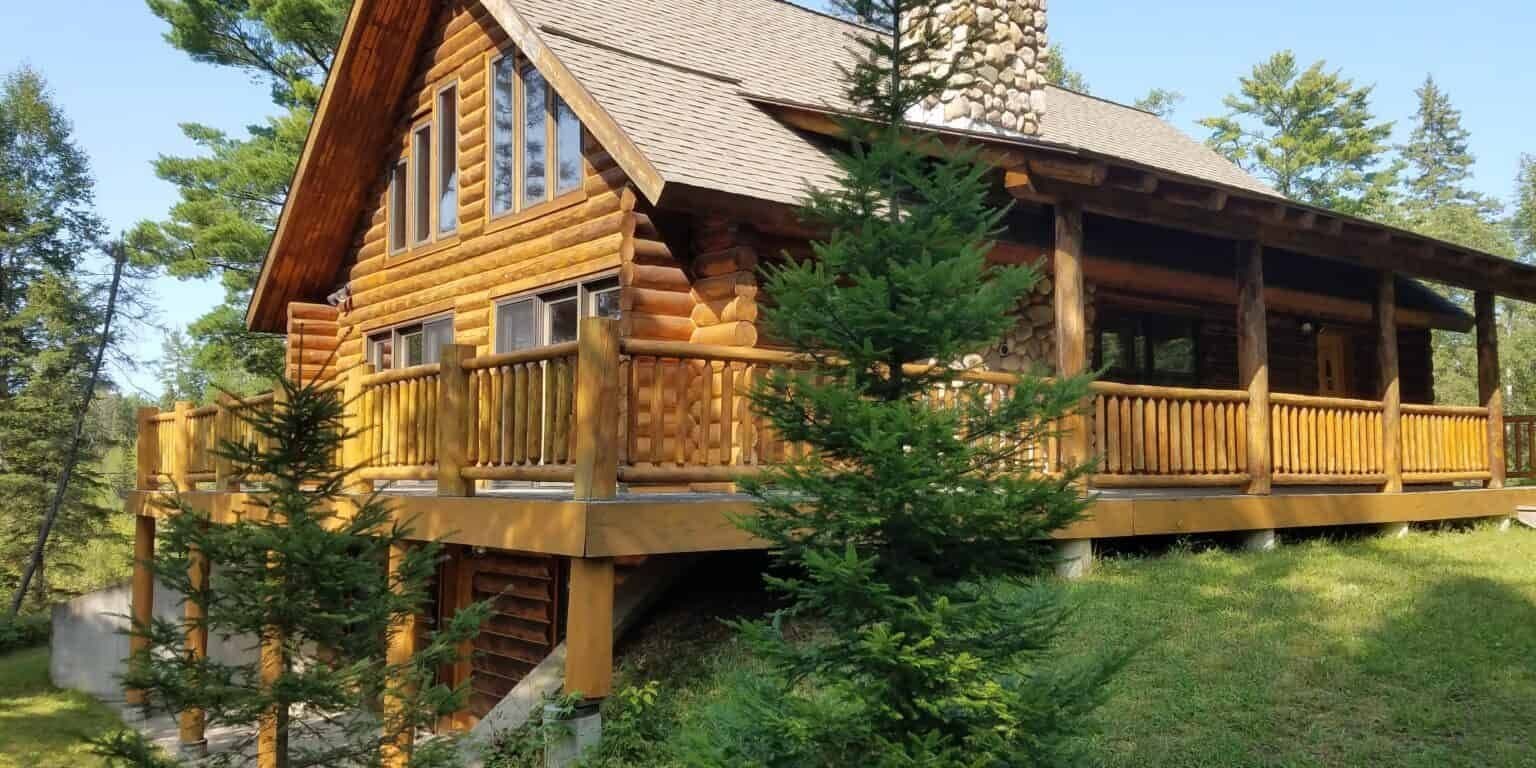
Log home staining and sealing are what stand between a structure and the harsh climate cycles of Northern Michigan, the Upper Peninsula, and Northern Wisconsin. These homes face constant stress from freeze-thaw cycles, lake-effect moisture, UV exposure, and long wet seasons that keep wood saturated far longer than inland climates.
Moisture enters surface cracks, expands during freezing temperatures, and gradually widens those openings over time. UV light breaks down exposed fibers through the summer, while spring and fall humidity keeps logs from fully drying out. A stain system has to address all of these forces together, not as separate problems.
Staining, Sealing, and Painting Are Not the Same Thing
Each finish system behaves differently on log homes, and choosing the wrong one leads to early failure.
Penetrating stains absorb into the wood and protect from within while allowing natural movement
Top-coat sealers form a protective layer that slows moisture and UV exposure
Paint systems create a surface film that can work in limited cases, but may trap moisture in log construction
Every home is evaluated individually before product selection. Wood condition, prior coatings, and exposure levels all influence what will perform correctly over time.
Featured Customer Review
Weatherwize did a great job. They got the job done within the time period they said they would. And the quality of their work was excellent. The guys are pleasant and professional. If you hire WeatherWize I doubt you will be disappointed.

Surface Preparation Determines Finish Life
The most important factor in how long a stain lasts is what happens before it is applied. Poor prep shortens performance regardless of product quality.
We evaluate:
Existing stain condition and whether it’s failing or layered
Wood porosity and how the logs will absorb the new product
Moisture content at the time of application
Surface contamination such as mold, oxidation, or extractive bleeding
When removal is required, media blasting is used to strip coatings without cutting into the wood grain. If the surface is still sound, power washing prepares it for recoating. Proper preparation is what allows a finish to bond and perform through seasonal changes.
Products Chosen for Great Lakes Conditions
Material selection is based on how products respond to cold winters, high moisture, and strong UV exposure common in this region.
We commonly work with:
Sashco
Sansin
Perma-Chink Systems
Outlast Q8 Log Oil
Each system serves a different need. Some perform better on heavily weathered logs, others on newer restoration work, and others in high-moisture lakefront environments. Selection is always matched to the structure, not a single preferred product line.
How the Application Actually Works
Once the surface is ready, the application follows a controlled sequence based on moisture readings and the wood's condition.
Stains may be applied by spraying, brushing, or back-brushing, depending on the absorption rate and texture. The goal is even penetration, not surface coating buildup. After curing to manufacturer guidelines, a sealing layer may be applied where needed to improve moisture resistance and UV stability.
Most log homes in this region require restaining every three to five years. Homes with higher sun exposure, lakefront conditions, or older coating systems often fall on the shorter end of that range.
Staining and sealing also work best as part of a broader maintenance system that includes:
Air sealing to reduce internal moisture movement
Periodic inspection of log surfaces and coatings
Experience and Credentials Behind the Work
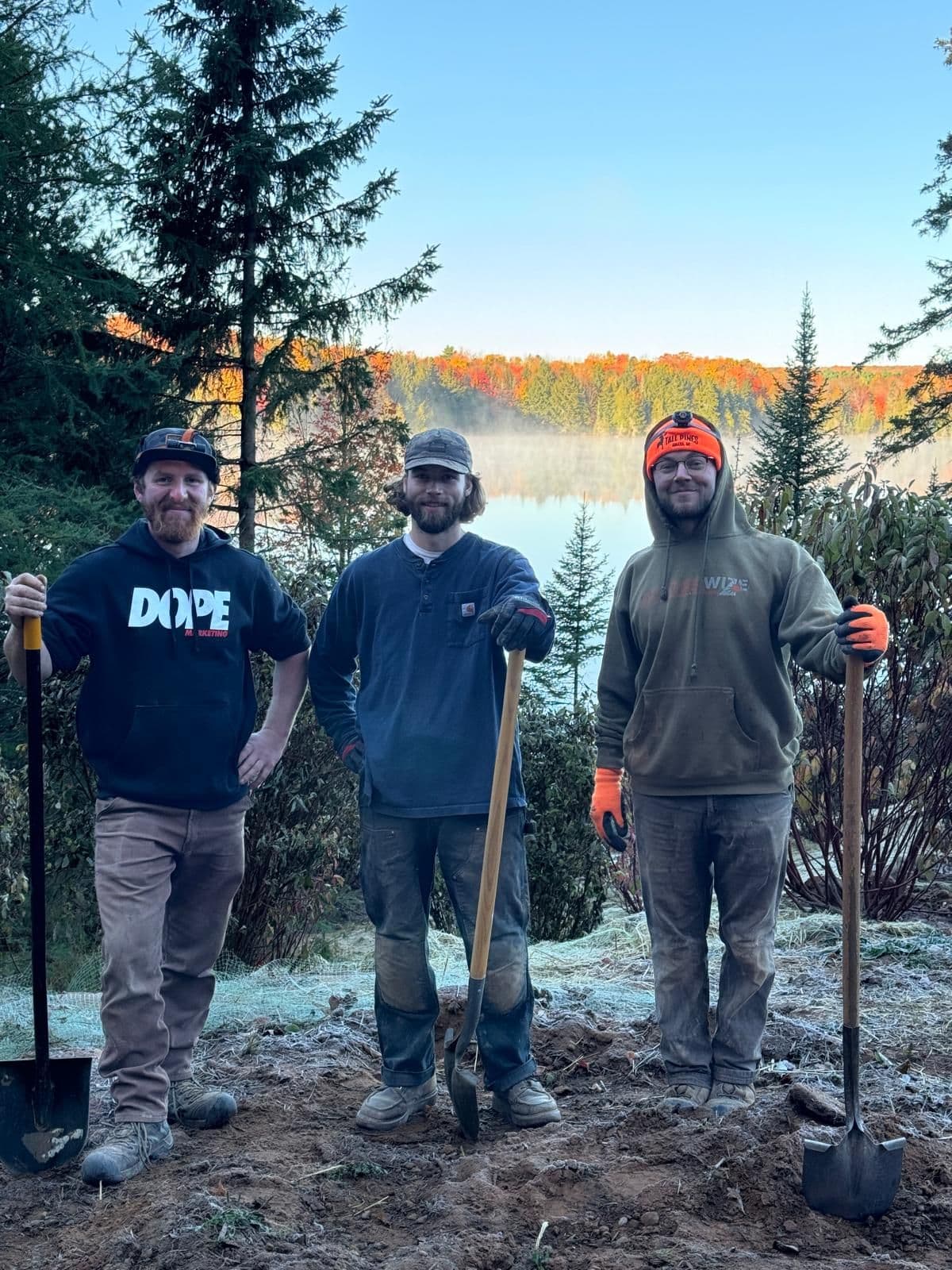
WEATHERWIZE brings more than 60 years of combined team experience to log home restoration and finishing work across the region.
The company has been locally owned since 2008, and all technicians are certified in log home restoration practices. Leadership is active in major industry organizations, including:
International Log Builders Association
Great Lakes Log Crafters Association
This experience matters most in the field, where wood condition, climate exposure, and prior coatings all influence how a system will perform over time. Our testimonials show what past clients have to say. Meet our team page to see the people behind the work.
Log Home Staining and Sealing Across Northern Michigan and the U.P.
Work is completed throughout:
Upper Peninsula cities including Marquette, Escanaba, Iron Mountain, and Munising
Northern Michigan communities such as Petoskey, Traverse City, and Gaylord
Northern Wisconsin areas, including Rhinelander and surrounding regions
Full coverage details are available on our service area list. If you’re unsure whether your location is included, a quick call can confirm.
Common Questions About Log Home Staining and Sealing
Most homes fall into a 3 to 5-year cycle. Lakefront exposure, UV intensity, and previous coating performance can shorten that timeline.
Only if the existing coating is stable. Failing or peeling material must be removed first to prevent early breakdown of the new system.
Stain penetrates and protects the wood itself. A sealer creates a surface barrier that reduces moisture and UV exposure. Many homes use a combination depending on condition.
Freeze-thaw cycles, lake-effect moisture, and long winters keep wood wet longer and accelerate surface breakdown compared to milder climates.
No. Product choice depends on wood species, prior coatings, moisture levels, and exposure conditions.
Talk to a Log Home Staining Specialist
Log homes in this region require more than standard exterior maintenance. WEATHERWIZE provides log home staining and sealing services tailored to the weather conditions in Northern Michigan and the Upper Peninsula. Requesting a short consultation can clarify what your home needs and how best to approach it.