
Log Home Air Sealing in Northern Michigan
Request a Free Quote
Stop Drafts Where Log Homes Lose Energy Most
Log homes move, settle, and respond to weather differently than standard homes. In Northern Michigan and the Upper Peninsula, freezing winters, humid summers, and seasonal shifts can open small gaps between logs, around windows and doors, and along old caulk or chinking lines. Once that happens, your home becomes harder to heat and cool.
WEATHERWIZE provides log home air sealing for homeowners across Northern Michigan, the Upper Peninsula, and Northern Wisconsin. We identify where air is escaping, seal those areas with materials suited to log movement, and check for improvement with blower door testing.
Why Log Homes Lose Air Differently
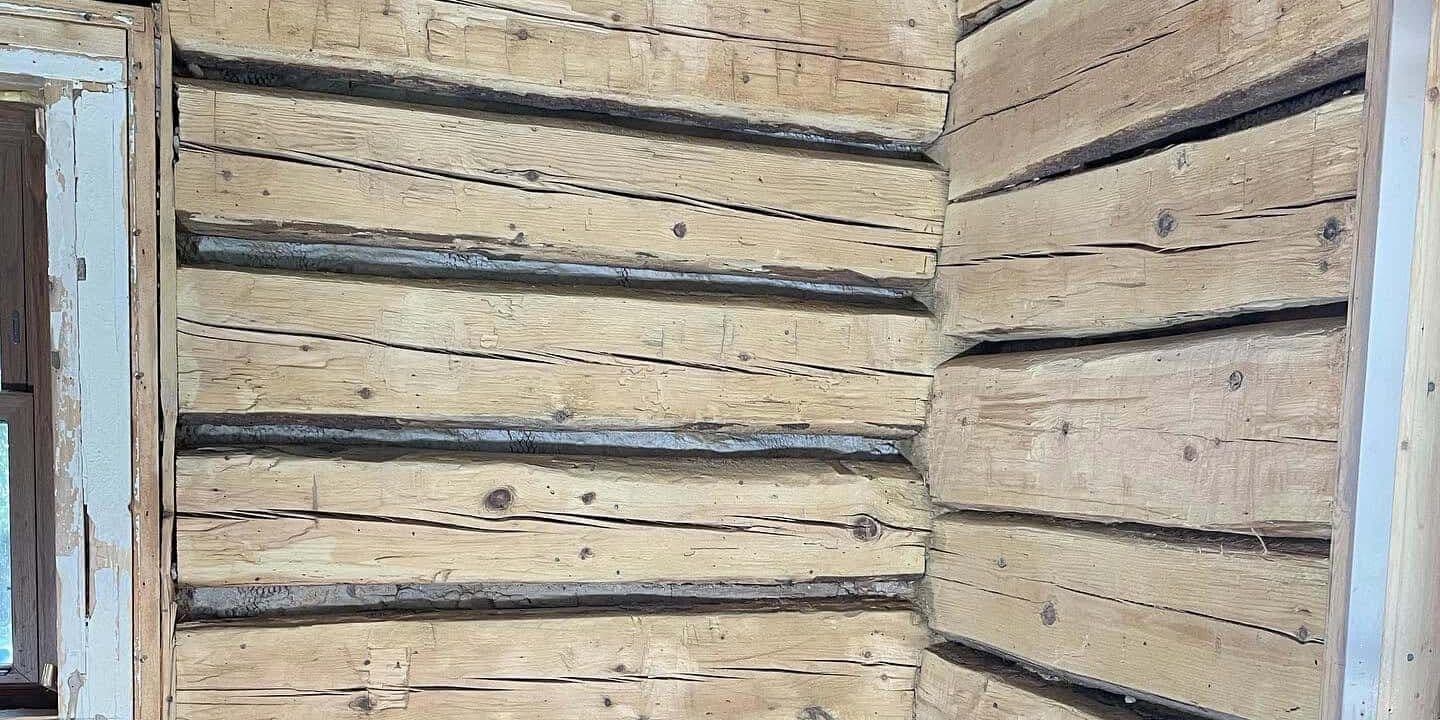
Air leaks in a log home often come from places that standard weatherization misses. The joints between log courses, settling gaps, old chinking, failing caulk lines, and openings around windows or doors can all become infiltration points as the home moves over time.
The Great Lakes climate makes those gaps more noticeable. A small opening in the fall can become a bigger draft by midwinter as the logs contract. Areas sealed years ago may also reopen simply because the structure continues to expand, contract, and settle.
Common signs your log home may need air sealing include:
Drafts near windows, doors, corners, or log joints
Rooms that feel cold even when the heat is running
Rising heating or cooling costs
Visible gaps in caulk or chinking
Cold air around outlets, plumbing penetrations, or trim
Uneven temperatures between rooms or levels
Our Log Home Air Sealing Process
Before sealing anything, we identify where air is moving and which leaks most affect comfort, efficiency, or moisture control.
Our process includes:
Blower Door Testing: This test measures air movement through the home and helps identify the biggest leak points, giving you a clear baseline.
Thermal Imaging: When needed, thermal imaging shows temperature differences around walls, openings, and problem areas so hidden leaks are easier to find.
Leak Prioritization: We focus first on the gaps causing the most noticeable drafts, energy loss, or moisture risk.
Material Selection: Based on the gap size and location, we select flexible log-specific materials such as caulk, foam, or weatherstripping from trusted brands like Sashco and Permachink.
Air Sealing Application: We seal the right areas while preserving the natural look of the log home.
Final Blower Door Test: After the work is complete, we test again to confirm the improvement and show how the home is performing.
Areas We Commonly Seal
Air leakage can happen throughout the home, not just along exterior walls. During a log home air sealing project, we may evaluate and seal:
Log Joints & Settling Gaps: Common leak points as logs shift over time.
Chinking & Caulk Lines: Older sealants can pull away from the wood, leaving gaps behind.
Windows & Doors: Frames can shift as the home settles, creating drafts around openings.
Attics & Crawl Spaces: These areas affect temperature balance, air movement, and moisture control.
Electrical & Plumbing Penetrations: Outlets, pipes, and utility openings can create steady air leaks.
Ductwork Connections: Leaky ducts can make your heating and cooling system work harder.
Why Standard Weatherization Is Not Enough
Standard air sealing is usually designed for frame construction, drywall, and sheathing. Log homes have stacked courses, exposed wood, irregular profiles, and natural movement that require a different approach.
Using the wrong material can create short-term results and long-term problems. Rigid sealants may crack as logs shift, while standard residential products may not bond well to wood that expands and contracts through Northern Michigan’s seasonal changes. WEATHERWIZE approaches air sealing as part of log home restoration rather than basic weatherization.
Featured Customer Review
Weatherwize did a great job. They got the job done within the time period they said they would. And the quality of their work was excellent. The guys are pleasant and professional. If you hire WeatherWize I doubt you will be disappointed.
Blog Posts
One of the most common questions we hear from homeowners is, “What does log repair cost?”
It is a fair question. Log homes are beautiful, valuable, and built to last, but when decay, water damage, failed finishes, or structural problems show up, the repair process can be more involved than many homeowners expect...
Maintaining a log home is essential to preserving its natural beauty, structural integrity, and value over time...
Maintaining a log home is essential to preserving its natural beauty, structural integrity, and value over time...
Air Sealing & Moisture Protection Work Together
Air leaks often connect to moisture concerns. A gap that lets in cold air can also allow humid air, wind-driven rain, or melting snow to enter. Over time, those openings can contribute to condensation, staining, failing chinking, or hidden moisture damage.
That’s why air sealing often overlaps with caulking, chinking, flashing and splash-proofing, or vapor barrier work. We look at the entire home to improve comfort, reduce energy waste, and help protect the structure from bigger problems later.
Why Choose WEATHERWIZE?
Our team specializes in log home restoration and maintenance for Great Lakes climates. Our employees are certified in log home restoration, and our team brings roughly 60 years of combined experience to the work.
We’re also involved in the log home industry through the Great Lakes Log Crafters Association and the International Log Builders Association. Every project is completed by our internally trained crew using log-specific materials and methods, not subcontractors who may not understand how log homes respond to weather. View our testimonials to see why log home owners trust our work.
Areas We Serve
We provide log home air sealing across Northern Michigan, the Upper Peninsula, and Northern Wisconsin. We regularly serve homeowners in and around Marquette, Petoskey, Traverse City, Iron Mountain, Escanaba, and surrounding communities, including remote cabins and second homes. View our service area page for more locations.
Common Questions About Log Home Air Sealing
Drafts, uneven room temperatures, visible gaps, and rising energy costs are common signs. A blower door test gives a measurable answer by showing where air is entering or escaping.
The right material depends on the location, gap size, and expected movement. WEATHERWIZE may use caulk, foam, weatherstripping, or other sealing products from trusted brands such as Sashco and Permachink.
The finished work should blend with the home as much as possible. We select materials and application methods that enhance performance while preserving the logs' natural appearance.
Yes. Air sealing is often completed alongside caulking, chinking, flashing, splash-proofing, or vapor barrier work when those services support the overall condition of the home.
Speak to a Log Home Air Sealing Specialist
If your log home feels drafty, has uneven temperatures, or costs more to heat than it used to, WEATHERWIZE can help you find out why. Contact us to request a free phone quote for log home air sealing in Northern Michigan, the Upper Peninsula, or Northern Wisconsin.